
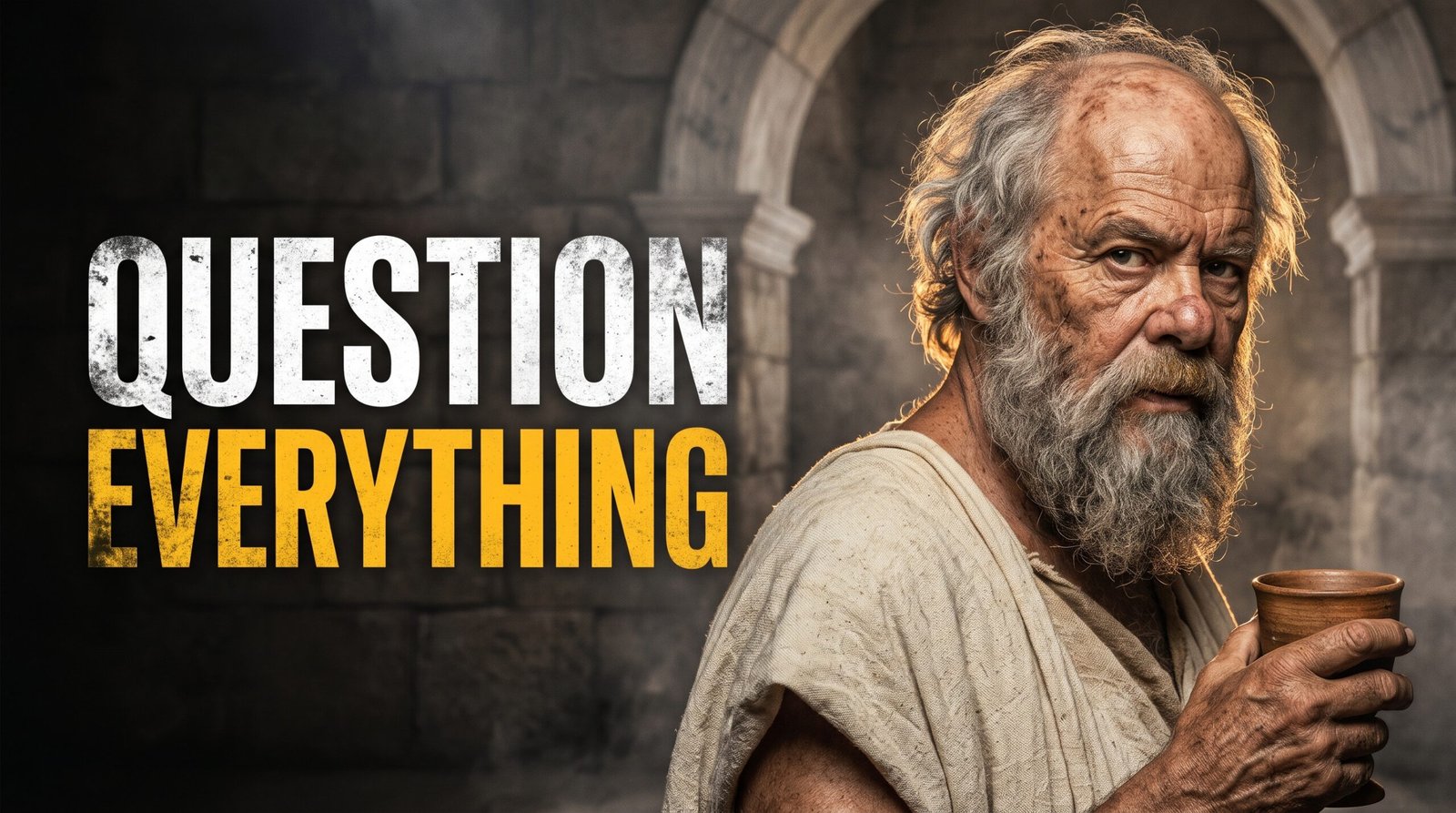
The dusty, sun-baked paving stones of the Athenian Agora witnessed the birth of Western intellectual history not in a secluded academy or royal palace, but through the bare feet and piercing questions of an unconventional stonemason. In the golden age of Ancient Greece, a solitary figure transformed the way human beings evaluate their lives, their morals, and their societies. That figure was Socrates, whose revolutionary approach to philosophy dismantled complacency, exposed ideological hypocrisy, and established principles that still underpin modern rational inquiry.
Among the great thinkers who shaped classical antiquity, Socrates stands out as a unique paradox: an educator who wrote no books, an acclaimed sage who claimed to know nothing, and a loyal patriot executed by his own beloved democracy. To understand this master of thought is to explore the fragile dawn of democratic politics, the brutality of prolonged geopolitical warfare, and the immense courage required to live—and die—for an unexamined life.
Ancient Greece in the Golden Age: The World That Shaped Socrates
To comprehend Socrates’ life, one must place him directly within the tempestuous world of fifth-century BCE Athens. Born around 470 or 469 BCE in the deme of Alopece, just south of the Athenian city walls, Socrates entered an era of unprecedented civic expansion and cultural splendor following the Persian Wars. As chronicled in the comprehensive records of the World History Encyclopedia, Athens under Pericles was transforming into the cultural and maritime powerhouse of the Mediterranean.
Socrates’ father, Sophroniscus, was a sculptor and stonemason, while his mother, Phaenarete, served the community as an experienced midwife. In his early years, Socrates likely trained in the manual craft of stonecutting, learning how to carve raw marble into balanced structural forms. This tactile, deliberate discipline of cutting away the superfluous stone to reveal form would later mirror his philosophical mission: chiseling away baseless dogmas to uncover moral truth.
Unlike the aristocratic elite who dominated political life, Socrates belonged to the hoplite property class—Athenians of moderate means who could afford their own heavy bronze armor and shields. Athens at this time was bursting with intellectual revolution. The Pre-Socratic natural philosophers, such as Thales, Anaxagoras, and Heraclitus, were formulating early scientific cosmological theories about the origins of the physical universe. Simultaneously, professional itinerant teachers known as Sophists were arriving in Athens from across Ancient Greece, offering high-priced lessons in rhetoric, politics, and the art of persuasion to ambitious young aristocrats.
Yet Socrates took a dramatically different path. Instead of studying the stars or selling rhetorical tricks designed to win arguments at any cost, he redirected human curiosity inward. He turned away from the cosmos and aimed the spotlight directly onto human ethics, justice, virtue, and truth.
       CHRONOLOGY OF SOCRATIC ATHENS (c. 470 – 399 BCE)
────────────────────────────────────────────────────────────────
 470/469 BCE  │ Birth of Socrates in Alopece, Attica
 432–430 BCE  │ Heroic service at the Siege of Potidaea
 431–404 BCE  │ The Peloponnesian War consumes Ancient Greece
 424 BCE      │ Rearguard valor at the Battle of Delium
 423 BCE      │ Aristophanes stages "The Clouds" (Satirizing Socrates)
 406 BCE      │ Solitary dissent in the Trial of the Arginusae Admirals
 404 BCE      │ Defiance of the Thirty Tyrants (Leon of Salamis case)
 399 BCE      │ Indictment, Trial, and Execution by Hemlock
────────────────────────────────────────────────────────────────
The Hoplite Philosopher: Courage on the Battlefields of Ancient Greece
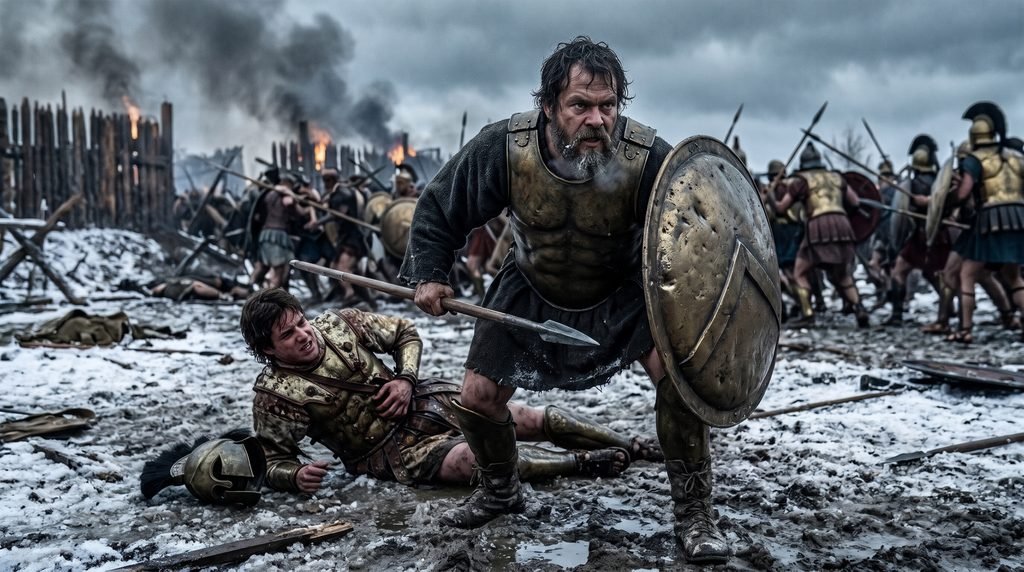
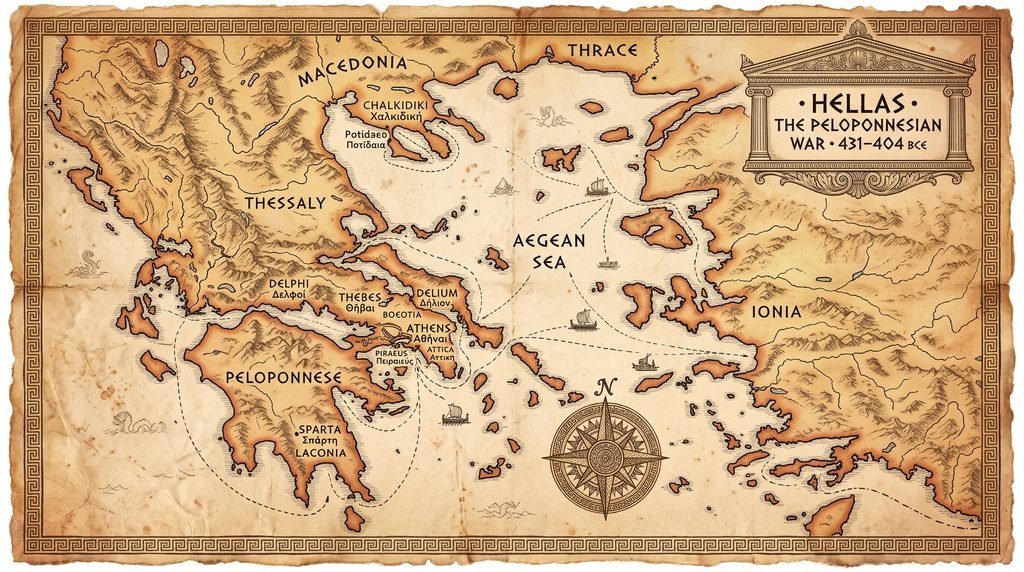
Long before he was revered as one of history’s great thinkers, Socrates proved himself on the brutal battlefields of classical warfare. During the disastrous Peloponnesian War (431–404 BCE)—the epic clash between the Athenian maritime empire and the Spartan land confederacy—every citizen-soldier was called to defend the polis.
Historical accounts preserved by Plato in the Symposium and detailed in the Perseus Digital Library illustrate Socrates’ extraordinary physical resilience and courage:
- The Siege of Potidaea (432–430 BCE): Stationed in the freezing northern Aegean winter, Socrates shocked his fellow soldiers by marching barefoot through ice and snow wearing the same simple tunic he wore in summer. During an intense skirmish, he personally defended and rescued the wounded young aristocrat Alcibiades, carrying him and his weapons out of the fray, and later relinquished the military prize of valor so the young general could receive it.
- The Battle of Delium (424 BCE): Following a catastrophic Athenian defeat against the Boeotian forces, the Athenian ranks broke into panic. Socrates retreated step-by-step alongside the general Laches, calm, alert, and turning back to face oncoming cavalry. His unflinching composure signaled to pursuing enemies that attacking him would carry a fatal price, allowing his unit to withdraw intact.
- The Battle of Amphipolis (422 BCE): Once again serving in heavy infantry ranks, Socrates participated in the critical Thracian campaign, bearing witness to the chaos of warfare and the volatile consequences of erratic political leadership back home.
These military campaigns were essential in forging Socrates’ character. They demonstrated that his philosophy was not an ivory-tower intellectual pastime, but a hardened, practical discipline grounded in psychological endurance, physical fortitude, and unyielding self-mastery (enkrateia).
The Delphic Oracle and the Riddle of Wisdom
The defining pivot of Socrates’ life arrived not through a battle or a political debate, but via an oracle. Chaerephon, an impulsive and devoted friend of Socrates, traveled to Mount Parnassus to consult the Pythia, the priestess of Apollo at the sacred sanctuary of Delphi. Chaerephon boldly asked the oracle if there was any human being wiser than Socrates. The Pythia replied unequivocally: no man was wiser.
When Chaerephon returned to Athens and reported Apollo’s answer, Socrates was struck by profound intellectual vertigo. He knew with absolute clarity that he possessed no genuine wisdom regarding the grand questions of existence. Yet divine truth, in Greek civic theology, could not tell a falsehood. As documented in modern philosophical assessments by the Stanford Encyclopedia of Philosophy, Socrates embarked on an urgent quest to resolve this riddle:
“After thinking it over for a long time, I decided on the following course of inquiry: I went to one of those who had a reputation for wisdom, thinking that there, if anywhere, I could test the oracle and show the god: ‘This man is wiser than I am, but you said I was the wisest.'” — Plato, Apology
Socrates systematically interviewed the most revered figures of Ancient Greece:
- The Politicians: Men who governed empires and swayed crowds. Socrates discovered that while they spoke with immense authority and self-assurance, their knowledge of justice and good governance collapsed upon elementary questioning.
- The Tragic and Lyric Poets: Men praised for divine inspiration. Socrates found that they could not explain the deeper philosophical meaning of their own verses; they created through natural impulse or muse-driven frenzy, not rational understanding.
- The Skilled Craftsmen: Men who genuinely mastered concrete trades—metalworkers, shipbuilders, and masons. While they possessed authentic, verifiable technical knowledge, they mistakenly believed that this technical skill qualified them to speak authoritatively on the highest matters of human ethics and virtue.
At the conclusion of his exhaustive investigation, Socrates arrived at his famous realization. He did not possess supreme divine knowledge, but he had discovered a crucial distinction between true understanding and false certainty. Others believed they knew what they did not know; Socrates, conscious of human intellectual limitations, knew that he did not know. In this humility lay his only wisdom. From that moment forward, he considered it a sacred religious duty to wander the public spaces of Athens, awakening his fellow citizens from moral slumber.
The Socratic Method: Revolutionary Philosophy in the Agora
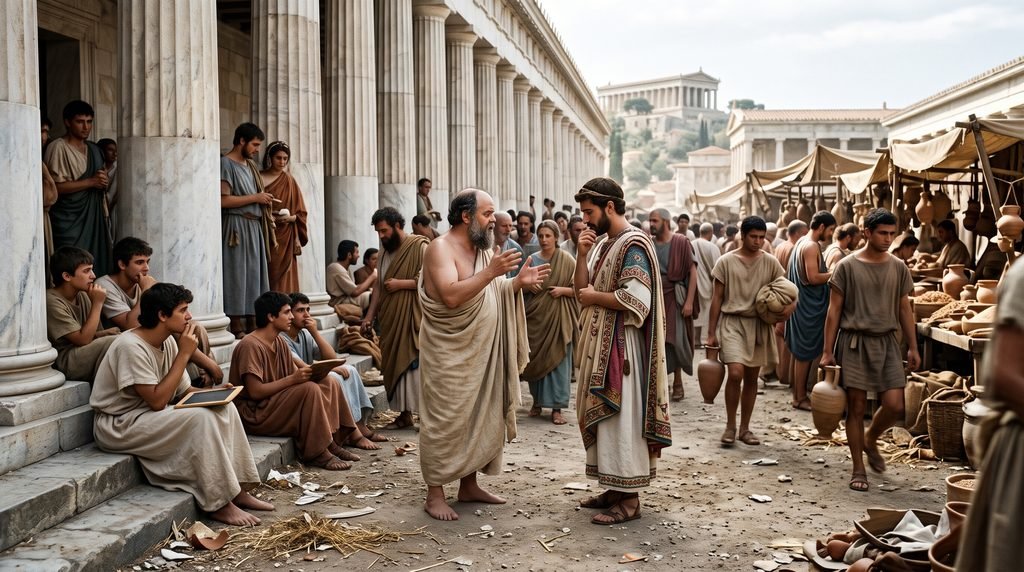
Socrates did not establish a private school, charge tuition, or deliver scripted lectures. Instead, his classroom was the public heart of Athens: the Agora, the gymnasia, the wrestling schools, and the open-air colonnades (stoas). He engaged whoever crossed his path—statesmen, foreign dignitaries, enslaved workers, ambitious teenagers, and arrogant teachers.
This practice developed into the Socratic Method, or the Elenchus (cross-examination), which remains one of humanity’s greatest contributions to educational theory and logic.
                  THE DIALECTICAL CYCLE OF THE ELENCHUS

   ┌─────────────────────────────────────────────────────────────┐
   │ 1. The Interlocutor Asserts a Confident Moral Claim         │
   │    (e.g., "Piety is doing what pleases the gods.")          │
   └──────────────────────────────┬──────────────────────────────┘
                                  ▼
   ┌─────────────────────────────────────────────────────────────┐
   │ 2. Socrates Asks for Clarification & Obtains Secondary      │
   │    Premises through Gentle, Probing Questions               │
   └──────────────────────────────┬──────────────────────────────┘
                                  ▼
   ┌─────────────────────────────────────────────────────────────┐
   │ 3. Socrates Demonstrates That the Premises Inevitably       │
   │    Contradict the Original Definition                       │
   └──────────────────────────────┬──────────────────────────────┘
                                  ▼
   ┌─────────────────────────────────────────────────────────────┐
   │ 4. Aporia (Philosophical Perplexity & Shattered Illusion)   │
   │    The false certainty is eradicated; true learning begins. │
   └─────────────────────────────────────────────────────────────┘
Socrates described his conversational technique as maieutics (maieutike techne), or spiritual midwifery. Just as his mother Phaenarete assisted women through physical childbearing, Socrates saw himself as a barren guide helping others deliver their own innate intellectual truths. He did not deposit knowledge into empty minds; he systematically stripped away false opinions so that truth could be born through rigorous dialectic.
This commitment made Socrates an essential pioneer among great thinkers. He elevated foundational questions that still form the bedrock of ethical philosophy:
- What is the nature of Justice (Dikaiosyne)?
- What constitutes Courage (Andreia), and can it exist without wisdom?
- Can Virtue (Arete) be taught, or is it an innate habit of the soul?
- Is it ever morally justifiable to return an injustice with another injustice?
His answer to the last question broke violently with classical Mediterranean warrior ethos. While the Homeric tradition demanded helping friends and harming enemies, Socrates declared that inflicting harm always degrades the moral character of the actor, proving that it is far better to suffer an injustice than to commit one.
Family, Daily Life, and Athenian Tension
While his intellect soared through abstract moral landscapes, Socrates lived an earthy, often eccentric everyday existence. He married Xanthippe, a woman who bore him three sons: Lamprocles, Sophroniscus, and Menexenus. Ancient folklore, embellished by later Hellenistic satirists, often painted Xanthippe as an excessively sharp-tongued scold frustrated by her husband’s disregard for household finances.
Yet historical reality, as clarified by Xenophon’s Memorabilia, paints a more nuanced portrait: Xanthippe was a protective, fiercely devoted mother managing a precarious household without a steady income, while her husband spent all day in civic conversation without accepting payment.
Physically, Socrates subverted the Greek aristocratic ideal of kalokagathia—the conviction that inner goodness was mirrored by outer physical beauty. Contemporaries noted that Socrates possessed bulging, wide-set eyes, a broad, upturned nose with flaring nostrils, thick lips, and a protruding belly. He walked with a distinctive swagger, rarely bathed in luxury, owned only one worn cloak (himation), and lived in austere poverty.
Yet inside this satyr-like exterior, friends like the brilliant general Alcibiades saw divine treasures of golden virtue. To the young men of Athens, Socrates was hypnotic. He was charismatic, sharp-witted, hilarious, and morally incorruptible. An entire generation of young patricians began mimicking his barefoot stride, abandoning conventional political ambitions to pursue philosophical inquiry.
However, to the conservative elders, oligarchic traditionalists, and career politicians of Athens, Socrates was a destabilizing nuisance—an intellectual gadfly buzzing around the flank of an increasingly agitated democracy.
The Dark Cloud: War, Tyranny, and Political Scapegoating
The final quarter of the fifth century BCE brought trauma, defeat, and societal collapse to Ancient Greece. The disastrous defeat of Athens in the Peloponnesian War in 404 BCE stripped the city of its walls, its navy, and its overseas empire. The victorious Spartans dismantled the democratic constitution and installed a ruthless, bloodthirsty puppet oligarchy known to history as the Thirty Tyrants.
During this eight-month reign of terror, the tyrants summarily executed over 1,500 wealthy democrats and seized their lands. Crucially, the leader of this regime was Critias, an intellectual who had once been a constant companion and pupil of Socrates. Another notorious associate of Socrates was the charismatic turncoat Alcibiades, whose strategic treason had directly aided Sparta in defeating Athens.
Although Socrates held no sympathy for brutal tyranny, his personal integrity brought him into direct confrontation with the new regime:
- The Leon of Salamis Incident: The Thirty Tyrants summoned Socrates and four other citizens to the Tholos, commanding them to sail to Salamis and arrest Leon, an innocent democrat marked for execution. The other four men hurried off in fear to execute the order. Socrates said nothing, turned his back on the tyrants, and walked quietly home. He was saved from execution only because the democratic resistance, led by Thrasybulus, overthrew the oligarchy shortly afterward.
- The Arginusae Assembly (406 BCE): Years earlier, under democratic rule, Socrates had served as prytaneis (council president) when an enraged mob demanded that eight victorious naval commanders be sentenced to death in a single vote for failing to recover drowned sailors during a storm. Socrates stood alone against the hysterical crowd, refusing to put the unconstitutional measure to a vote despite threats of immediate imprisonment.
When democracy was restored in 403 BCE, the citizens passed an amnesty law (amnestia) forbidding legal prosecution for crimes committed under the tyrants. Yet the deep civic wounds remained raw. Unable to prosecute the dead Critias or the exiled oligarchs, the Athenian political class turned its gaze upon the elderly philosopher who had questioned democracy’s foundational assumptions and educated its most destructive figures.
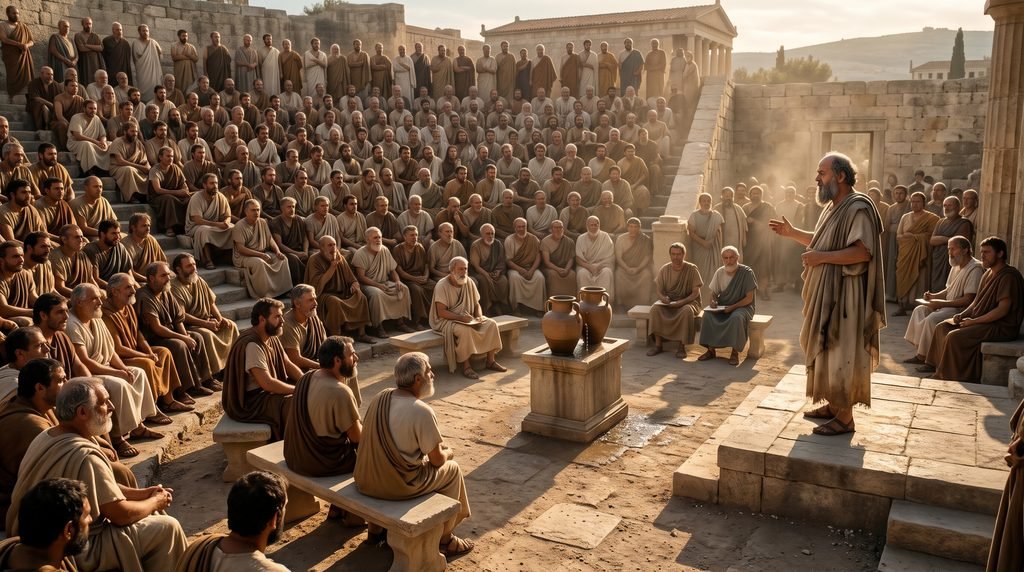
The Trial of 399 BCE: Accusations, Apology, and the Court of 501
In the spring of 399 BCE, a formal legal indictment was posted near the Royal Stoa in Athens:
“Meletus, son of Meletus, of Pitthos, against Socrates, son of Sophroniscus, of Alopece: Socrates is guilty of refusing to recognize the gods recognized by the state, and of introducing new divinities; he is also guilty of corrupting the youth. Penalty: Death.”
The indictment was signed by Meletus (a poet), Anytus (a powerful leather merchant and democratic politician), and Lycon (a professional orator). Behind the explicit religious charges lay profound political anxiety. As preserved in the legal analysis available via Encyclopaedia Britannica, the accusers weaponized the traditional crime of asebeia (impiety) to silence a figure they perceived as an ideological threat to Athenian civic stability.
The trial took place before the Heliaia, an expansive popular jury of 501 male citizens chosen by lot. Unlike modern courtroom proceedings, there were no professional defense lawyers; Socrates had to defend himself within the time allotted by the water clock (klepsydra).
                      THE DRAMA OF THE ATHENIAN COURT
──────────────────────────────────────────────────────────────────────────
 ACCUSERS: Meletus (Poet), Anytus (Democrat Politician), Lycon (Orator)
 CHARGES:  1. Impiety (Rejection of State Gods & Introducing New Daimons)
           2. Corrupting the Youth of Athens
 TRIBUNAL: 501 Athenian Citizen Jurors chosen by lot
──────────────────────────────────────────────────────────────────────────
 FIRST VOTE (Guilt/Innocence):
   • Guilty: ~280 votes
   • Not Guilty: ~221 votes (A shift of only ~30 votes would have acquitted him)
──────────────────────────────────────────────────────────────────────────
 PENALTY PHASE:
   • Prosecution proposal: DEATH BY HEMLOCK
   • Socratic counter-proposal: LIFETIME FREE BANQUETS AT THE PRYTANEUM
     (Later concession: A modest fine sponsored by Plato and Crito)
──────────────────────────────────────────────────────────────────────────
 SECOND VOTE (Sentence):
   • Death Sentence approved by an overwhelming majority (~360 votes)
──────────────────────────────────────────────────────────────────────────
In his immortal speech, recorded and interpreted in Plato’s Apology, Socrates refused to resort to the standard theatrical customs of Athenian courts. He brought no weeping children to beg for pity, composed no emotional elegies, and offered no compromises of principle. Instead, he treated the 501 jurors to the same unyielding philosophical examination he practiced in the streets.
He explained his inner divine sign—the daimonion—not as an alien deity, but as an internal voice that had guided him since childhood, warning him away from destructive actions and corrupt political entanglements. He addressed the fear of death directly, dismantling the irrational dread that governs human choices:
“To fear death, gentlemen, is nothing other than to think one is wise when one is not, for it is to think one knows what one does not know. No one knows whether death may not be the greatest of all goods for people, yet they fear it as if they knew that it is the greatest of evils.” — Plato, Apology
Socrates was convicted by a narrow margin of approximately 280 to 221. Under Athenian law, when an offense carried no fixed statutory punishment, the prosecution proposed a sentence (death), and the defendant proposed an alternative penalty (such as exile, imprisonment, or a fine).
In a stunning display of moral defiance, Socrates stated that if he were rewarded according to his true desert for spending his life improving the souls of Athenians, he should be awarded free meals for life at the Prytaneum—an honor reserved exclusively for Olympic champions and heroic generals.
Though he eventually proposed a small fine guaranteed by Plato and Crito, his unapologetic stance insulted the pride of the jury. In the second vote, an even larger majority condemned him to drink the lethal hemlock.
The Cup of Hemlock: Philosophy, Integrity, and Death
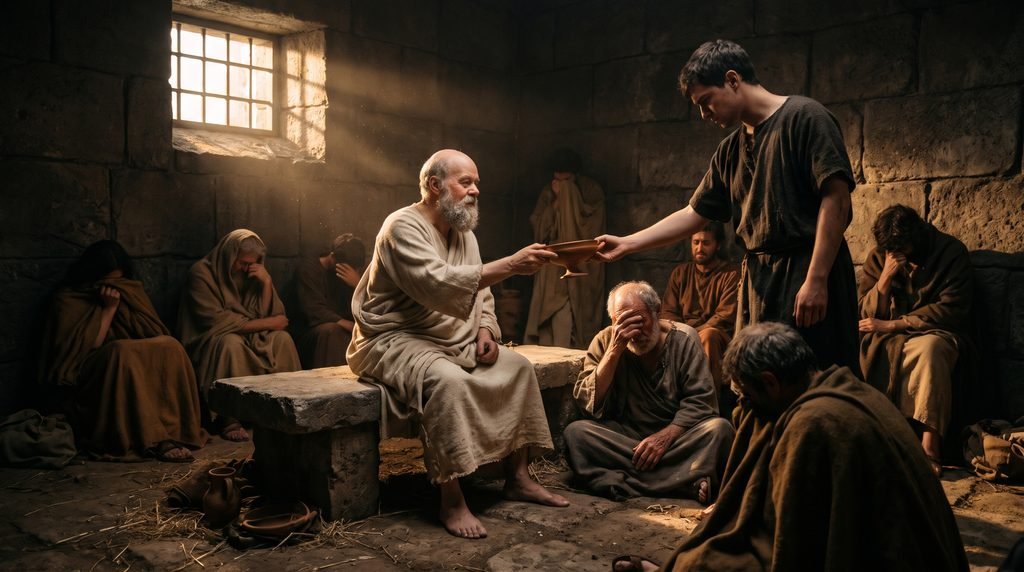
Socrates did not die immediately after the verdict. Athens had just dispatched the sacred ship to the island of Delos to commemorate Theseus’ ancient victory over the Minotaur. By sacred law, no public execution could occur in the city until the vessel completed its voyage and returned to Piraeus. For thirty days, Socrates remained chained in the state prison near the Agora, receiving his closest friends and engaging in daily philosophical discussions.
One dawn, his wealthy lifelong companion Crito entered the cell with a meticulously funded escape plan. The guards had been bribed, safe exile was prepared in Thessaly, and public sentiment was soft. Crito urged Socrates to flee, arguing that remaining would validate his enemies’ malice and abandon his young children.
Socrates gently refused. In Plato’s Crito, the philosopher staged an imaginary dialogue with the Laws of Athens (Nomoi). He argued that as an Athenian citizen, he had lived under the protection, education, and legal structure of the polis for seventy years. To break those laws simply because they had ruled against him would be an act of betrayal that destroyed the civic covenant:
- One must never do wrong in return for wrong.
- An individual cannot pick and choose which laws to obey based on personal convenience.
- Fleeing into exile would brand him a hypocrite and destroy the moral integrity of everything he had taught.
On his final afternoon, detailed in Plato’s Phaedo, Socrates gathered with Phaedo, Simmias, Cebes, and Crito to explore the immortality of the soul (psyche) and the meaning of death as the ultimate liberation of consciousness from bodily desires.
When the sun set behind Mount Parnes, the executioner brought the stone cup filled with crushed hemlock (Conium maculatum). Socrates prayed to the gods for a prosperous journey into the next world, lifted the cup, and drank the poison without hesitation or disgust.
       THE PHYSIOLOGICAL PROGRESSION OF CONIUM MACULATUM
┌─────────────────────────────────────────────────────────────┐
│ 1. Ingestion: Socrates drains the cup of hemlock calmly.    │
├─────────────────────────────────────────────────────────────┤
│ 2. Walking: He paces until his legs feel heavy and numb.    │
├─────────────────────────────────────────────────────────────┤
│ 3. Recumbency: He lies down on his back; coldness spreads.  │
├─────────────────────────────────────────────────────────────┤
│ 4. Peripheral Paralysis: Sensation ceases in feet, calves,  │
│    and thighs as the neurotoxin ascends the spinal cord.    │
├─────────────────────────────────────────────────────────────┤
│ 5. Respiratory Arrest: The poison reaches the heart and     │
│    diaphragm. His final words to Crito are spoken.          │
└─────────────────────────────────────────────────────────────┘
As his disciples broke down in uncontrolled weeping, Socrates rebuked them softly, urging them to maintain peace and courage in his final moments. His last words, whispered to Crito as the coldness seized his chest, were:
“Crito, we owe a rooster to Asclepius. Pay it and do not neglect it.”
Asclepius was the Greek god of healing and medicine. By offering a rooster—the customary sacrifice for recovery from an illness—Socrates communicated that death was not a tragedy, but the cure for the vulnerabilities of mortal existence, releasing the immortal soul into eternal light.
The Eternal Legacy of Socrates Among the Great Thinkers of World History
The execution of Socrates in 399 BCE sent shockwaves through the Mediterranean world, forever altering intellectual history. The city of Athens, according to later traditions, soon fell into bitter regret, closing the gymnasia and driving his accusers into exile or suicide. Yet the true transformation occurred within the realm of ideas.
Socrates redefined the very objective of human inquiry. Before him, philosophy was an inquiry into physical nature; after him, philosophy became an uncompromising quest for self-knowledge, social justice, and moral integrity. His martyrdom catalyzed the birth of several major philosophical movements across Ancient Greece:
- The Academy and the Lyceum: Plato, shattered by his master’s death, dedicated his life to recording Socrates’ dialogues and founding the Academy, which in turn educated Aristotle, constructing the intellectual architecture of the Western mind.
- The Stoic School: Zeno of Citium and later Roman Stoics like Seneca, Epictetus, and Marcus Aurelius modeled their ideal sage directly upon Socrates’ unflinching emotional mastery and civic duty.
- The Cynics: Diogenes of Sinope and Antisthenes embraced Socrates’ physical austerity, radical poverty, and disdain for superficial luxury, taking his disregard for convention to radical lengths.
- The Skeptics: Academic skeptics took inspiration from his Delphic realization of ignorance, building rigorous systems of inquiry that challenged all dogmatism.
Today, more than twenty-four centuries after he drank the hemlock, Socrates remains the ultimate archetype of intellectual courage. In a world often dominated by digital echo chambers, performative rhetoric, and moral polarization, his central maxim resonates with undiminished urgency: The unexamined life is not worth living.
Discover the Full Story: Watch the Short Film
To deepen your understanding of how Socrates stood before the Athenian court and challenged an entire civilization, dive into this compelling video exploration. Discover the sights, the political conspiracies, and the dramatic moments of his final hours:

Leave a Reply